뉴스

SMT Full Form in Electronics: How SMT Relates to PCB Boards and Circuit Board Assembly

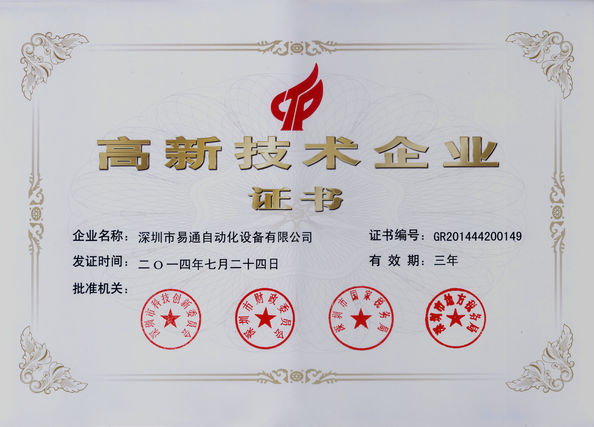
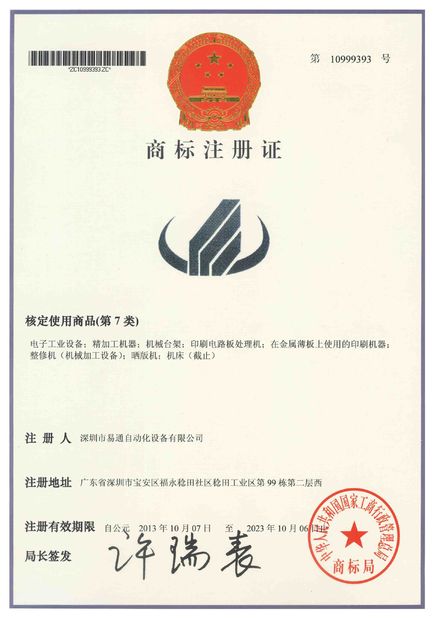
인증
중국 Shenzhen Eton Automation Equipment Co., Ltd. 인증
고객 검토
ETON servisi çok özenli, kolay mühendisler çok sabırlı VE makine kullanımı.

—— Fikret

جودة الآلة ETon جيدة جدا وسريعة جدا, والآلات سهلة التشغيل. وكانت هناك خدمة ما بعد البيع, وكانت هناك تجربة ممتعة جدا للتسوق في الصين

—— Nadim

Cảm ơn bạn rất nhiềuETON vì đã giúp chúng tôi thiết kế toàn bộ chương trình dây chuyền sản xuất SMT의 cho phép chúng tôi tiết kiệm chi phí. Cũng xin cảm ơn kỹ sư hậu mãi của công ty bạn đã đến nhà máy của chúng tôi để gỡ lỗi máy cá nhân, và dịch vụ này rất chuyên nghiệp và 초나라 đáo. Hy vọng công ty của bạn ngày càng tốt hơn!

—— ngyum

ETON 기계 설치 속도는 또한 아주 빠릅니다, 질입니다 아주 좋은, 장수, 판매 후 서비스입니다의 값이 있는 아주 포괄적, 가지고 있는.

—— Sanjay

당신의 동정심 많은 서비스를 당신을 감사하십시오. 당신은 하루 24시간 나의 질문을 온라인으로 대답할 수 있습니다. 당신의 기계의 질은 아주 좋습니다. 당신이 준 임명 계획은 우수합니다! 우리의 생산력은 향상하고, 우리는 좋은 수익이 있었습니다. 우리는 우리의 협력을 계속하는 기회에 기대합니다.

—— tim

Çok fonksiyonlu bir makine 앰풀, lamba VE sürücü, çok akıllı sopa olabilir!

—— cagin

HT-XF 램프 고속 배치 기계는 진짜로 굉장합니다. 생산 능력은 시간 당 120,000를 도달할 수 있습니다. 속도는 이렇게 빨리 입니다 그러나 정확도는 아주 높습니다.

—— praveen

기계는 운영해기 쉽고 쉽, 서비스는 아주 좋습니다. 그것은 또한 생활 동안 자유로운 소프트웨어 업데이트를 제공합니다. ETON는 아주 좋은 제조자입니다

—— pawan

RT-1 hızlı VE yüksek hassasiyetli

—— abbas

당신의 기계의 질은 생산으로 아주 좋습니다, 우리의 회사 끼워넣었습니다

—— mohamed

리솔비어 르 노스트르 프리오크컵둘아지니 당 Il 서비치오 포스트 -벤디트아 이튼 E 템페스티보 ed 에프니차스

—— 애디

이튼 제품 품질은 안정적이고 비용 효율적입니다.

—— 민 키 김

이라 프로이오나룰루스, 에프체크티프스 적외선 갈리 파데티 위짝 가미크라이 스파르치아이 프리스티티스

—— 아담 양식 펠란

마아어링 이비가이 NG (좋지않다) 이튼 앙 부옹 선도, 마타아스 앙 카텀파칸 NG (좋지않다) 마키나

—— 안토니오 C. 커리에그켕

이튼 농담 모임 자우프애니텀 파트너엠

—— 안제이 대니얼에비치

제가 지금 온라인 채팅 해요
회사 뉴스
SMT Full Form in Electronics: How SMT Relates to PCB Boards and Circuit Board Assembly
에 대한 최신 회사 뉴스 SMT Full Form in Electronics: How SMT Relates to PCB Boards and Circuit Board Assembly

Why this industry keyword is worth covering

Searchers who enter 'SMT full form', 'SMT meaning', 'PCB', or 'PCB board' are usually at the beginning of their electronics manufacturing research. They may not yet know the difference between a bare circuit board, a printed circuit board assembly, and the machines used to mount components. That makes this topic a strong fit for a trade and industry-word website.

In 2026, electronics manufacturing remains tied to regional supply chain planning, trade-fair activity, and production-capacity decisions. Instead of writing only for buyers who already know the equipment names, an industry article can educate earlier visitors and guide them toward more specific topics such as SMT machine, pick-and-place machine, reflow soldering, and AOI inspection.

What is the SMT full form?

SMT stands for Surface Mount Technology. It is a method of assembling electronic components directly onto the surface of a printed circuit board. Components used in SMT are usually called surface mount devices, or SMDs. These parts are smaller than many traditional through-hole components and are designed to sit on solder pads instead of passing leads through drilled holes.

In simple terms, SMT is the process that helps modern electronics become smaller, lighter, faster to produce, and easier to automate. Smartphones, LED lighting boards, control boards, power modules, consumer electronics, industrial controllers, and many automotive electronic modules use SMT assembly.

PCB, PCB board, and circuit board: are they the same?

A PCB is a printed circuit board. In daily search behavior, people often use PCB, PCB board, circuit board, and printed circuit board to mean almost the same thing. Strictly speaking, the PCB is the board with copper traces, pads, layers, and solder mask. After electronic components are mounted and soldered onto it, the board is often called a PCBA, or printed circuit board assembly.

This difference matters for manufacturing content. A visitor searching for 'PCB board' may only want a basic definition, while another visitor searching for 'SMT machine' may already be planning assembly equipment. A good industry page can connect these stages naturally: PCB design, bare board fabrication, solder paste printing, component placement, reflow soldering, inspection, and final assembly.

How SMT assembly works on a PCB board

The SMT process usually begins with solder paste printing. A stencil printer deposits solder paste onto the pads of the PCB. The board then moves to a pick-and-place machine, where SMD components are picked from feeders and placed onto the solder paste. After placement, the board enters a reflow oven, where the solder paste melts and forms solder joints. The board may then pass through AOI inspection to check missing parts, polarity, offsets, solder bridges, and other issues.

This workflow is why SMT is more than one machine. It is a coordinated process. If solder paste printing is unstable, placement quality may suffer. If reflow temperature is not controlled, solder joints may be weak. If inspection feedback is ignored, repeated defects may continue through production. For industry readers, explaining the system is more useful than only listing equipment names.

SMT vs. through-hole assembly

Traditional through-hole assembly uses components with leads inserted through holes in the PCB. The leads are then soldered on the opposite side of the board. This method can be strong and is still used for some connectors, power parts, and mechanical-load components.

SMT places components on the surface instead. It supports smaller parts, denser layouts, faster automated assembly, and high-volume production. Many modern circuit boards use both methods: SMT for most small components and through-hole for parts that need extra mechanical strength.

Common terms readers should know

PCB: printed circuit board, the base board with copper circuits and solder pads.

PCBA: printed circuit board assembly, the PCB after components are mounted and soldered.

SMT: surface mount technology, the process of mounting components on the PCB surface.

SMD: surface mount device, a component designed for SMT placement.

Pick-and-place machine: equipment that places SMD components onto solder paste.

Reflow soldering: the heating process that melts solder paste and forms solder joints.

AOI: automated optical inspection used to check assembly quality.

When does a reader need an SMT machine?

A reader may need an SMT machine when production volume, placement accuracy, component density, or delivery speed becomes difficult to manage manually. For prototypes and very small batches, manual assembly may still be possible. For commercial production, automated SMT equipment improves consistency, repeatability, and line efficiency.

The right next step depends on the product. LED boards may need long-board handling and high repeated placement efficiency. Consumer electronics may need fine-pitch accuracy and fast changeover. Industrial control boards may need stable process control and inspection. This is where an industry-word article can link readers toward machine-selection guides and supplier consultation pages.

선술집 시간 : 2026-07-10 15:31:28 >> 뉴스 명부
연락처 세부 사항
Shenzhen Eton Automation Equipment Co., Ltd.

담당자: Ms. Linda

전화 번호: 0086 13670197725 (Whatsapp/Wechat)

팩스: 0086-755- 29502066

회사에 직접 문의 보내기 (0 / 3000)